

Humans need food to survive and live normal lives, but in recent years people have been eating too much and too often; this is where fasting for eczema and inflammation can be extremely useful and more than that.
An average person not only eats foods that they should not eat, which creates all kinds of problems in the human body, including leaky gut, which I believe is the reason most people have eczema in the first place, but people also eat way too often, which doesn’t let your liver clean the body properly and doesn’t let your gut recover if you have leaky gut.
Learn why Fasting is a powerful tool for reducing inflammation, supporting overall health, and potentially healing eczema.
What Is Fasting?
Fasting means voluntarily going without food for a chosen time. There are 2 types of fasting, which are intermittent fasting and prolonged fasting.
Intermittent fasting
Intermittent fasting involves cycling between periods of eating and fasting, which means that you have a daily window where you eat and where you don’t. This makes it sustainable for long-term success. I recommend you do at least 16 hours of fasting and then an 8-hour eating window.
After you feel comfortable with that, try to work it up to 20 hours of fasting and 4 hours of eating
To heal, I did both intermittent and prolonged fasting for over a year now. I have been doing a 20-hour fasting window and a 4-hour eating window. I believe that this was a huge part of my successful healing journey, where I almost completely healed from an extremely severe case of atopic dermatitis and allergies.
One Meal A Day
One Meal A Day(OMAD) is a more extreme version of intermittent fasting where you eat only one meal a day, which gives you around 23 hours of fasting per day.
OMAD is extremely powerful because it gives almost a whole day of fasting benefits every day. 23 hours gives you around 7 hours of autophagy every day.
I would recommend you start with normal intermittent fasting and then, if you feel comfortable, if you want, you can try OMAD.
Prolonged fasting
Prolonged fasting is a type of fasting where you fast for 24 hours or more. They usually last a couple of days and can promote significant healing and metabolic changes, accelerated weight loss, and, most importantly for eczema, deep autophagy and lowering of inflammation.
This type of fasting requires more planning and, in some cases, medical supervision, especially for longer durations.
The longest I did for now is 7 days, but I am currently planning to do a longer fast for an experiment.
Why is fasting important for eczema?
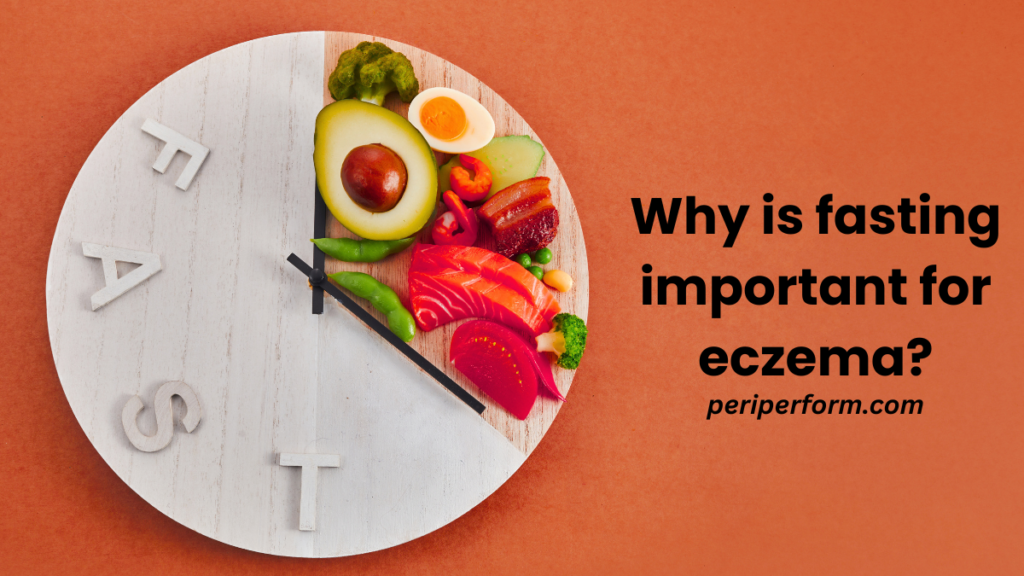
Fasting is very important and beneficial for eczema. The main things that fasting does that directly help with eczema are:
- Supports balanced insulin levels
- Activates cellular repair mechanisms
- Fat Loss
- Heals your gut
- Lowers inflammation
- Helps with allergies, which can directly worsen eczema
1. Supports balanced insulin levels
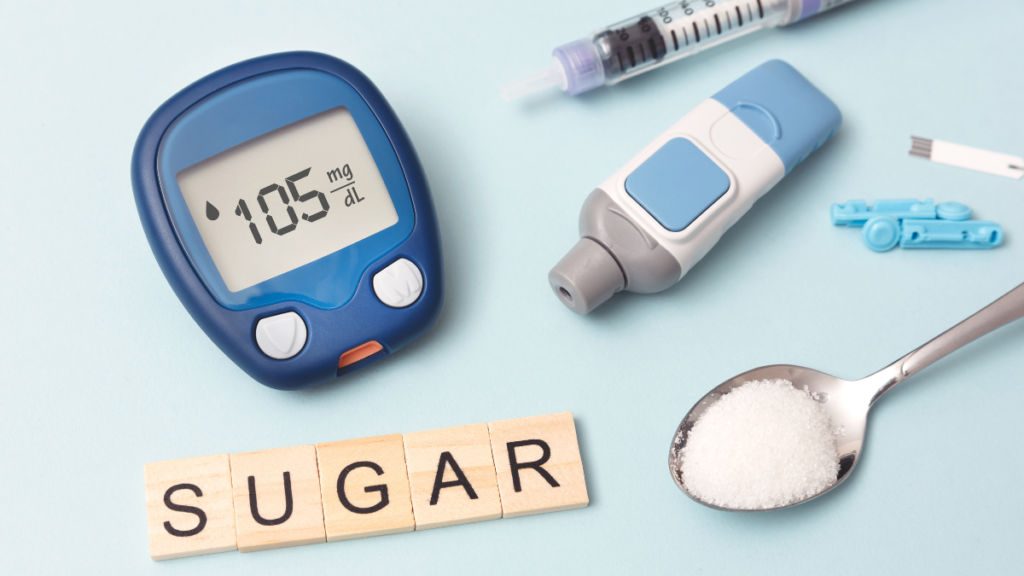
Because fasting is caloric restriction, your blood sugar levels will be more stable, which means the body releases lower levels of the blood-glucose-regulating hormone called insulin.
Insulin is very important for maintaining the body’s glucose balance; elevated insulin can exacerbate inflammation by stimulating the production of pro-inflammatory messengers.
This is very common in our current society where snacking is very normal, and don’t get me wrong, I used to be very unhealthy, and I had all of these habits that many of you currently have, but I changed after researching this information.
2. Activates cellular repair mechanisms

After around a 16-hour fasting period, your body goes into a state called autophagy, which is basically a word for physiological repair.
This process helps remove damaged cells and support overall cellular function.
Autophagy plays a big role in reducing inflammation by clearing dysfunctional cells and damaged proteins that can trigger immune responses and promote ongoing inflammatory activity.
3. Fat Loss

Even though you may not think that having excess fat is connected to eczema, it very much is. A lot of fat can be located around the organs, which creates all sorts of problems.
This type of fat that is located next to important organs like the liver can release inflammatory responses, which of course cause eczema.
This means that by supporting fat burning and reducing weight in general, fasting helps lower overall inflammation in your body, which supports eczema healing, next to many other problems that people with eczema often have, like allergies or anxiety.
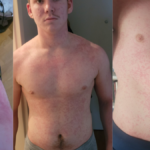
I had these problems besides eczema as well, and you can clearly see in my before and after photos how much fat I lost and gained muscle just by making these lifestyle changes like fasting and removing unhealthy foods that create leaky gut and eczema.
4. Heals your gut
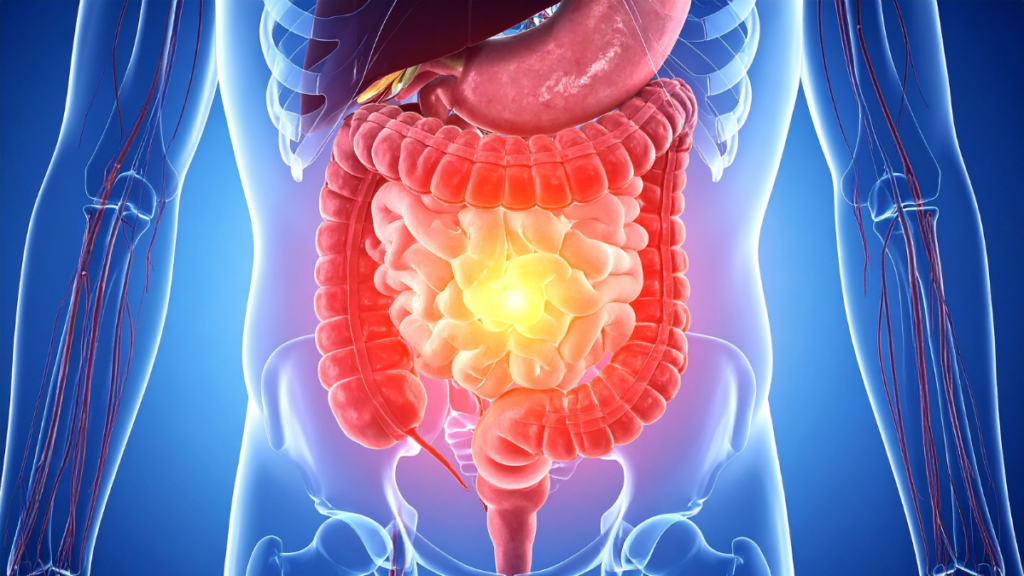
I believe that the main cause of eczema and similar inflammatory problems like arthritis and depression is a direct result of leaky gut.
Leaky gut is a term for gut damage that is caused by years of processed foods, grains, antibiotics, steroids, and antibiotic abuse. After leaky gut happens, even healthy foods like vegetables can cause problems. When your gut gets leaky, tight junctions stop holding the cells in your gut together closely; foods you ingest can make their way into your bloodstream, which causes a lot of problems in your body.
Keeping these negative habits, as I did for years, your gut doesn’t have any time to heal. This is where fasting and elimination diets like the Lion Diet come in.
How to Combine Fasting with an Anti-Inflammatory Diet
As great as fasting is and as much as it helped me with my eczema healing journey, I believe that it will not do much if you don’t change your diet.
If you keep eating junk and foods on this list, then you will most likely never heal because these foods will just keep destroying your gut and your whole body.
I would recommend you do the lion diet, which is a diet of ruminant meat, salt, and water for at least 6 weeks so your gut can heal, and then after that you could try KETO or the carnivore diet.
The lion diet is the ultimate elimination diet because you only eat red meat, which is the closest thing to fasting possible. And this is the diet that saved my life by healing me from my severe eczema, allergies, and depression when I was at the lowest point in my life.
Keep in mind that this type of diet can be pretty risky and that if you light version of eczema, it may not be necessary. But if you have a more severe case of eczema, as I did, then it is probably necessary to at least consider this type of diet.
Conclusion
Fasting is voluntarily going without food for a chosen time. There are 2 types of fasting, which are intermittent fasting and prolonged fasting.
In today’s day and age, not only do people eat foods that create problems like leaky gut, but people are also eating way too much and way too often. This constant snacking doesn’t let your body heal, which is especially true if you already have leaky gut.
Fasting helps with eczema by supporting balanced insulin levels, activating cellular repair mechanisms, and promoting fat loss.
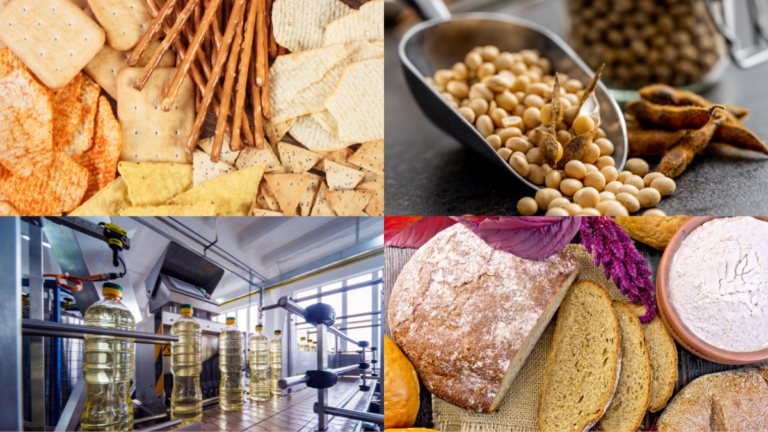
Besides fasting, you should also change your diet for the best results. You should remove foods like seed oils, soy, gluten, processed foods, and alcohol because they create inflammation and worsen leaky gut.
Frequently Asked Questions
Does fasting heal eczema?
While there is not one thing that heals eczema, fasting is a very powerful way to support balanced insulin levels, activate cellular repair mechanisms, lose fat, and heal leaky gut.
Should I fast for eczema?
Yes, if you have eczema, you should practice both intermittent and prolonged fasting because of their great benefits like lowered inflammation, autophagy, and fat loss.
Can fasting help skin conditions?
Yes, while the true cause of some skin conditions is unknown, they are very much linked to unhealthy lifestyles like alcohol, antibiotic, and junk food abuse, which can lead to leaky gut.
Does skin heal faster when fasting?
Yes, fasting is very important for skin healing, especially if you have skin infections. Fasting supports immunity and cellular repair, which helps with wounds and skin damage.
What is prolonged fasting?
Prolonged fasting is a type of fasting where you refrain from eating for 24 hours or more. The point of prolonged fasting is to go into deep cellular repair for optimal results.
What is intermittent fasting?
Intermittent fasting is a type of fasting where you refrain from food for a part of the day and eat for a part of the day. For example, 16-8 is a 16-hour fasting window and an 8-hour eating window.