

In my experience with eczema, both through myself and when I helped people cure their eczema, through a natural way, which includes vitamin D3 for eczema. Vitamin D-3 deficiency was the most common of all other vitamin deficiencies.
This is still a mind-blowing and honestly, kind of a sad fact to me because of the benefits vitamin D-3 has on people who suffer from eczema and other skin issues. I have been completely eczema free for about 6 months now and I can tell you that without a doupt next to my diet, vitamin D-3 supplementation was the most important part of my healing journey.
Vitamin D-3 is naturally found in the sun, but it is getting harder and harder to receive it from the sun for reasons like the time of year, not having free time in the middle of the day, some people react negatively to the sun, etc. That is the reason why I often say that vitamin D-3 supplementation is the number one supplement you should have, and if I could only choose one supplement, it would be vitamin D-3 without a single doubt.
Vitamin D-3 is very important to everyone, but especially to those of us who have or had problems with eczema because vitamin D-3 repairs damaged skin barriers, reduces inflammation in your body and on your skin, fights infections, helps with allergies, which are connected to many people with eczema includeing myself, and many other positive effects.
In today’s article, we’ll dive deep into the science behind vitamin D3’s benefits for eczema, explore how to use it effectively, and even review a top-rated supplement that could transform your skin health. Let’s unlock the healing potential of this essential nutrient!
What Is Vitamin D3 and Why Does It Matter for Eczema?
Vitamin D3 is the most bioavailable form of vitamin D, and it is naturally produced when you are exposed to UVB sunlight.
The biggest problem with vitamin D3 is that there is basically none in food, where most people expect they can get every vitamin.
Eczema, which is also called atopic dermatitis, is becoming a bigger and bigger issue around the world, and conventional medical professionals are taught to cure it through expensive creams and steroids that destroy the health of your bones and immune system long-term.
The truth is, the human body shouldn’t have eczema naturally, which is proven by people like me who got rid of their very hard cases of atopic dermatitis by following the optimal human diet and the optimal supplement intake.
I am of the belief that everyone should take vitamin D3, but especially people like you and me who struggle or have struggled with skin conditions like atopic dermatitis, because the skin barrier in eczema patients loses 75% more moisture than healthy skin, and vitamin D3 directly supports the production of antimicrobial peptides and structural proteins that rebuild this barrier. So you should especially take it while your skin and body are still recovering from this dry and unhealthy skin.
Many people doubt the overall benefits of vitamin D-3, and some even call it pointless or dangerous, but the truth is that the vitamin D3 receptors are found in every cell in your body, including most importantly, skin cells. If vitamin D-3 is not needed and not beneficial for your skin, then why would your body want it so much?
There are many great studies suporting my claims includeing this one from PubMed about Vitamin D and atopic dermatitis
Factors That Can Limit Vitamin D Absorption
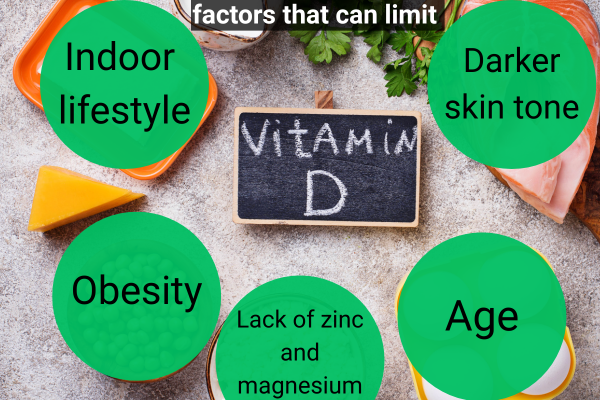
Unfortunately, things are not so easy and smooth. There are a lot of factors that can limit the absorption of vitamin D in your body.
You should be aware of these issues so you can see which problems you have and try to fix them.
Factors that can limit vitamin D are:
- Age
- Genetic predispositions
- Lack of zinc or magnesium intake
- Darker skin tone
- Indoor lifestyle
- Being obese
If you have any of these issues, I would reccomend to fix the problems that you can fix, like the lack of zinc and magnesium intake by taking a supplement or eating more zinc and magnesium-heavy foods. Fixing these problems could be critical if you want to optimize all the vitamin D3 eczema benefits
You should also simply get more vitamin D through the sun and supplementation.
Best Ways to Boost Vitamin D3 Levels Naturally


Even though for most of you supplementation is the best way to get vitamin D3 because of how fast, cheap, and simple it is, there are, of course, other ways to get vitamin D3.
Sun is how people got their vitamin D3 throughout history, and it is natures phisical therapy. Since the 1970s, people started demonizing the sun and started using sunscreen. If you think that the sun can hurt you and is bad for you just think for a second about tens of thousands of years humans have been evolving in the sun and how adapted our genetics are to the sun. Not only that, but after people started demonizeing sun and vitamin d3 only then did problems like atopic dermatitis even start.
Fatty fish is another source of vitamin D3, but it is so much behind supplementation and sun in many ways. First of all, in 3.5 ounces, which is around 100 grams of fatty fish like salmon, there is around 988IU of vitamin D3, which means you have to eat over 2.5 or 1kg of it to reach your daily dose.
The other maybe even side effect is that fish are getting more and more unhealthy, this is not because they them selfs arent a great food for humans, but simply the amount of micro plastics in those waters and unhealthy practices on farm raised places make them very unhealthy and they probably wont even have that much vitamin d3 because they are not geting fed the proper diet for fatty fish like salmon.
How Much Vitamin D3 Should I Take If I Have Eczema

There is a difference between taking enough vitamin D3 for preventing deficiencies and big issues and thriving on the optimal dose of vitamin D3 that can get rid of your allergies and help your body fight infections caused by eczema wounds.
Many people are sceptical of vitamin d3 and doctors provide only enough so you don’t develop deficiencies, but the truth is that vitamin d3 poisioning are so rare that you probably won’t get enough to poison yourself even if you try your best to do it.
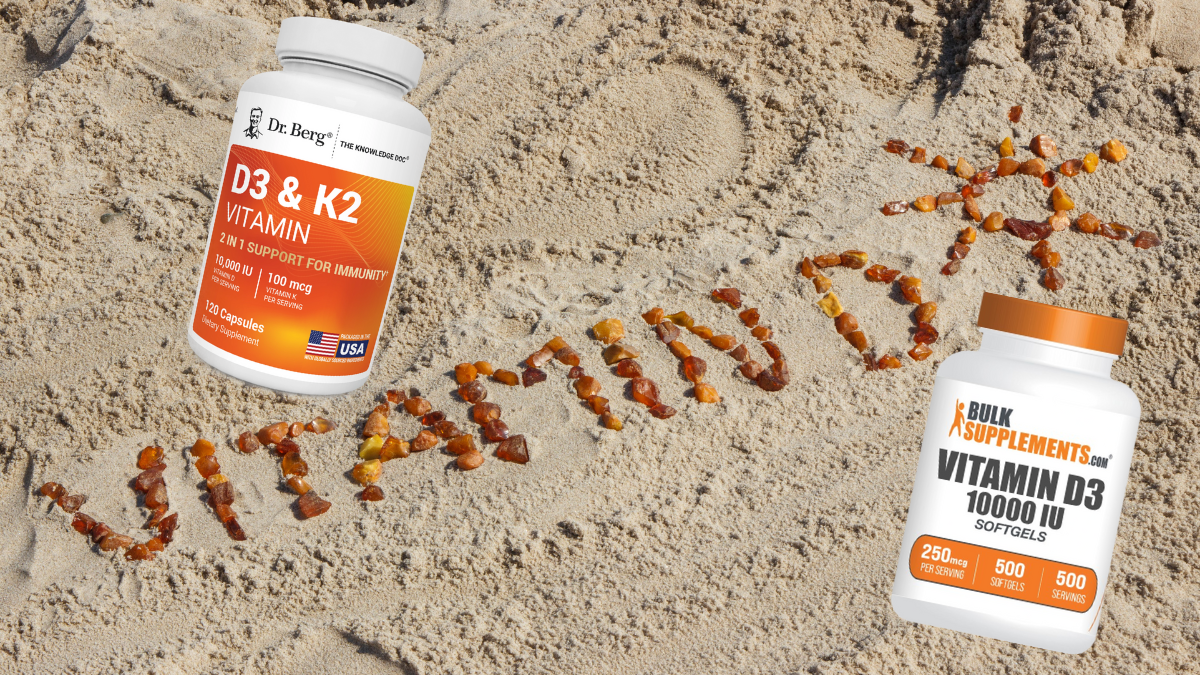
Vitamin D3 that I personally use every day is D3 & K2 Vitamin from Dr. Berg and in one capsule, there is 10000IU and studies from National Library of Medicine have shown that you need around a million IU per day for months to develop any kind of toxicity from it. Think about it, you would need to drink the whole bottle for months to get toxicity from it.
Now don’t get me wrong I don’t want you to take too much because your body can only process so much, so it would be a waste of money for you if you did that.
I recommend you start with 10000IU, which is one capsule from the two supplements that I researched and used in the past as someone who went through terrible eczema and allergies myself, and I can say that these two are the absolute best on the whole internet.
These two supplements come with vitamin K2 in them, which helps the absorption of vitamin D3, and don’t forget to drink it while eating some fat. This can be with a fatty meal, or you can just eat some butter next to it. Eating fat while taking vitamin D3 will almost double the absorption of the vitamin.
The Critical Role of Vitamin K2 in D3 Supplementation

Vitamin K2 works with D3 by directing calcium to bones, teeth, and skin rather than soft tissues, where it can cause arterial calcification.
This is when the side effects of vitamin D3 happen. Whenever vitamin D3 toxicity happens, it is never reported if the person took vitamin K2 with it, which then leads to problems, and then people talk about it as if vitamin D3 is to blame instead of their wrongful way of taking it.
The optimal D3 to K2 ratio is approximately 10000 IU D3 to 100 mcg K2, ensuring cardiovascular safety while maximizing skin and bone benefits. This is the reason why all the vitamin D3 supplements that I recommend contain K2 as well to maximize absorption, and the purpose of Vitamin d3.
K2 also supports skin health independently by reducing inflammation and improving skin elasticity, but combined with vitamin d3 they do wonders for your skin and inflammation that builds up in your body and then goes to the surface, which creates eczema.
Even though the supplements that I use and recommend have vitamin K2 next to vitamin D3 to maximize the positive effects, I still would recommend you get vitamin K2 on its own for the best results.
FAQ
Does vitamin D get rid of eczema?
In most cases, Vitamin D3 will not directly heal your Eczema alone, but combined with the proper diet vitamin D3 can get rid of your eczema. Vitamin D3 calms inflammation in your body, which is exactly what eczema is, just inflammation from your body that occurs on a surfice of your skin.
How much vitamin D3 should I take for eczema?
People with eczema should take more vitamin D3 than usual because if you have eczema, you don’t want to just not be deficient, but to thrive on it. The optimal range is around 10000IU to 20000IU a day.
What is the best vitamin for eczema?
Vitamin D3 is by far the most important vitamin for people who are struggling with Eczema and similar skin problems. This is because D3 directly addresses three core eczema problems simultaneously: chronic inflammation, allergies, and a compromised skin barrier. For optimal results, take a supplement with K2 in it to help with absorption.
What vitamin are you lacking with eczema?
Almost all people with eczema are deficient in vitamin D3, which is a shame because of vitamin D3’s amazing benefits for people with atopic dermatitis. Most people in general are deficient in vitamin D3, but it could be that people with eczema are especially deficient because they are afraid of the sun.
Does vitamin D3 help with itching?
Yes, vitamin D3 was shown to successfully reduce the itching of patients with eczema. It will especially stop itching by helping you heal your eczema completely.
When should I take vitamin D3 for the best results?
To maximize Vitamin D3 absorption, you should take it with the first meal of the day, which should contain fat, or you can just take it with some fat like butter or tallow. You need to do this because vitamin D3 is a fat-soluble vitamin, and doing this will increase absorption significantly. Also, look for a supplement that has vitamin K2 with vitamin D3 because it will also help with absorption.
Conclusion
In my opinion, vitamin D3 is the most important and useful vitamin for everyone, but this is especially true for those who are struggling with skin problems like eczema, which is also known as atopic dermatitis. Vitamin D3 targets the root cause of Eczema, which is inflammation in your body which than goes up to your skin, causing red and itchy rashes.
Vitamin D3 is even more important for those of you who are like me and are struggling with infection or allergies because vitamin D3 is very effective against both. I always had terrible allergies, and they were very connected to my eczema. I remember every time they got worse, my eczema got even worse than it was. If you have problems with allergies, as I did, I recommend you read my article about the best supplement stack on the market that helped hundreds with their allergies, which is Heart & Soils Allergies Stack. High vitamin D3 intake especially stands true if you are dealing with infections. I genually dont know how I would have survived some of my czema caused infection if not for vitamin D3 supplements. You should optimally take between 10 and 20 thousend IUs of vitamin D3 per day for the best results.

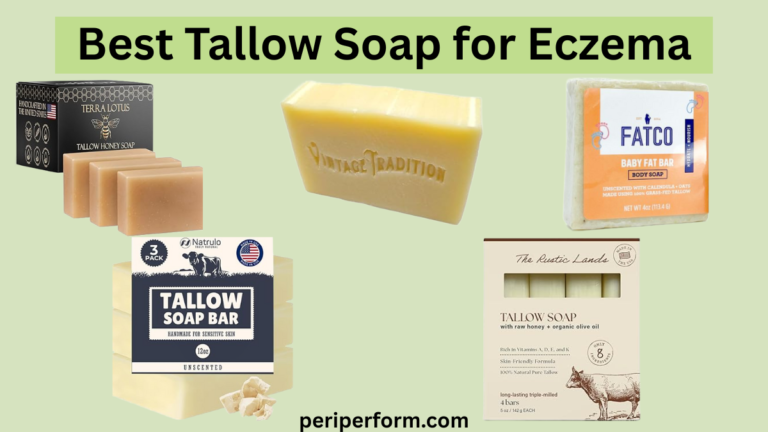

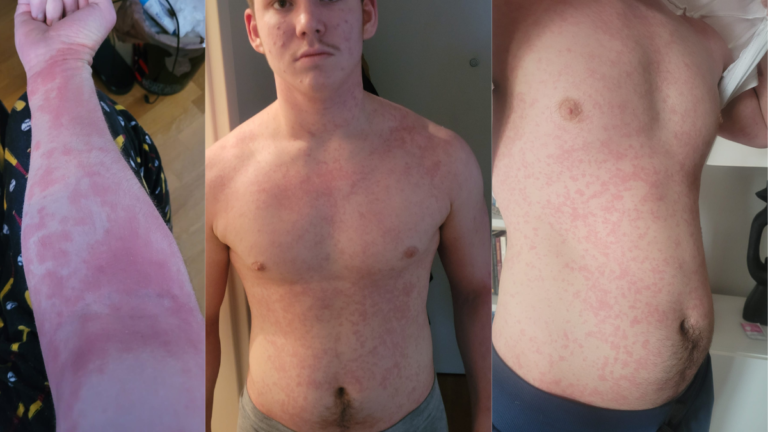
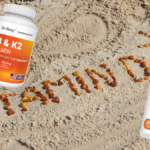


[…] If you want to learn more about the incredible positive effect vitamin D3 has on Eczema, then you should definitely read my Ultimate Guide On Vitamin D3 For Eczema […]
[…] People with eczema like you and me have much greater chances to get negative bacteria deep into our skin because of open wounds we create by scretching are selfs and because of nutrient deficiencies our skin has as well as just overall inflammation we have in our bodies that later on goes to surfice. If you are interested in how to lower inflamation then you should definitely read my full guide about Vitamin D3 for Eczema. […]