
You probably heard somewhere about the benefits of probiotics for eczema and skin, but you probably don’t know how probiotics help eczema, how to choose the best probiotic for yourself or your child, and what the underlying problem is that causes eczema, which probiotics can help to fix.
Eczema is a massive problem for tens of millions of people around the world, and those numbers are growing more and more. I have had eczema since I was a child. I have been in many hospitals, and I have seen many different doctors and so-called experts, and all of them have told me the same thing. There is no cure for eczema, and the best thing you can do is just keep taking steroid creams and antibiotics when your skin gets infected, because there is simply no other way. Now I have been eczema-free for over a year, and I now realize that eczema is not inherently a skin issue, but a gut issue.
The problem is that your gut doesn’t have enough tools and good bacteria, which help with the process of digestion. This is where probiotics come into the conversation.
What Is the Gut-Skin Connection (And Why Does It Matter for Eczema)?
You see, there is a thing called leaky gut, which is caused by junk food, antibiotics, and other unhealthy lifestyle habits. When you eat food with leaky gut, especially the food that irritates the gut, parts of that food get in your bloodstream through that leaky part of the gut, which your body sees as a threat and gets all inflamed. That inflammation gets on your skin, which is eczema.
This also happens because your skin and your gut are very much connected and in constant communication with each other, and that is the reason why scientists call this the gut-skin axis. So if your gut is unhealthy and your bacteria are imbalanced, there is absolutely zero chance you are going to have healthy and beautiful skin, no matter what you do.
You can take every expensive cream in the world or buy every single eczema product in the world, but you will simply never have healthy skin.
There is also research that people with eczema have less beneficial bacteria, like Lactobacillus and Bifidobacterium, and higher levels of harmful bacteria. This causes an unhealthy imbalance in your gut, which later on shows on your skin through eczema.
This also causes other problems that will worsen your skin even further, because gut bacteria produce short-chain fatty acids, which have broad anti-inflammatory effects. The problem is that people with eczema have much less anti-inflammatory effects because they have much less gut bacteria in the first place, which creates these positive effects.
This was even further shown in many studies that show incredible effects of probiotics for people with eczema.
If you want to learn more about what studies say, I advise you to read this PubMed study.
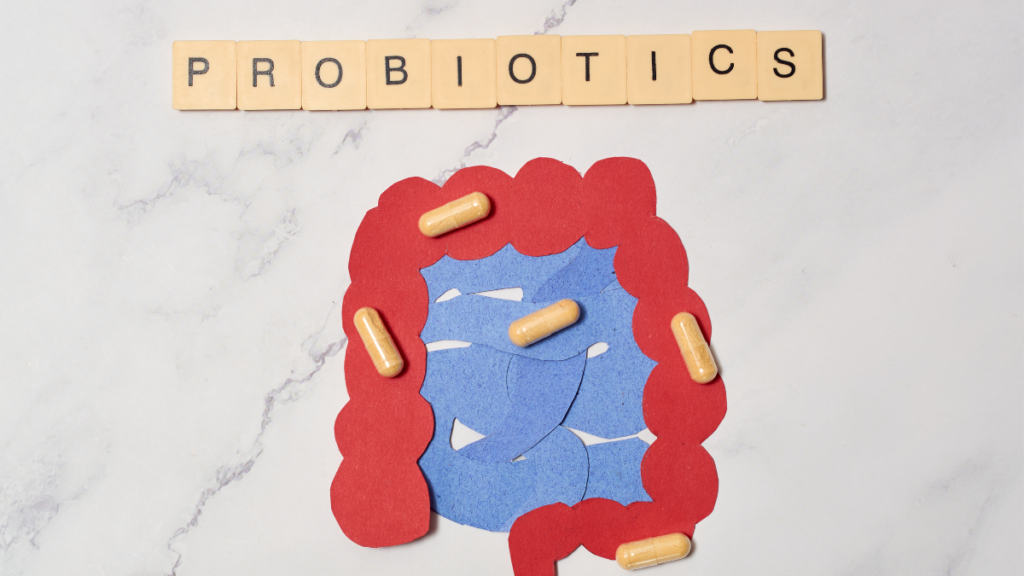
The Best Probiotic Strains for Eczema (And What Each One Does)
Lactobacillus rhamnosus GG (LGG) is the most studied single strain for eczema. Many users, especially kids with eczema, have experienced benefits like fewer flare-ups and less itchiness. This strain was also found to be the best in preventing eczema in general.
Bifidobacterium breve is extremely anti-inflammatory, which significantly lessens eczema severity by supporting a healthier immune response. If used early, especially during infancy, it may prevent the development of eczema altogether.
Bifidobacterium lactis boosts the diversity in the microbiome, which is very important because that is one of the reasons why we have this problem in the first place.
Multi-strain combinations are the best because they provide many different benefits, but the most important benefit for people like us is that multi-strain combinations provide a bigger microbiome population of many different types of bacteria that have died in us because of junk food, antibiotics, and leaky gut.
How to Take Probiotics for Eczema — Dosage, Timing & What to Expect
It is generally considered better to take a high dose of CFUs, especially if you are recovering from gut damage. Most supplements have around 25 billion CFUs per serving. The one I use from Dr.Berg has 60 billion CFUs per serving, and I found it to be amazing.
Serving size also depends on who you ask, as some people think these are massive doses, but also some doctors have been advising you to take only 600IUs of Vitamin D3 a day, and more is dangerous, which we know is a complete lie.
You should take your Probiotics with a meal, because the food will help with the absorption of the probiotics, and your gut will get more bacteria.
The positive result should come in a couple of weeks, but of course, changing your diet to probiotics will really make a difference in just a couple of weeks. Doctors will tell you that taking probiotics will make a difference on their own, and don’t get me wrong, I take them every day and so should you, but in my experience, on my own skin and with the people I have worked with directly, if your diet stays the same, adding one supplement like probiotics will not do anything noticeable.
Read my article about this if you want to learn How I Helaed Severe Eczema and Allergies Through Diet And Supplementation.
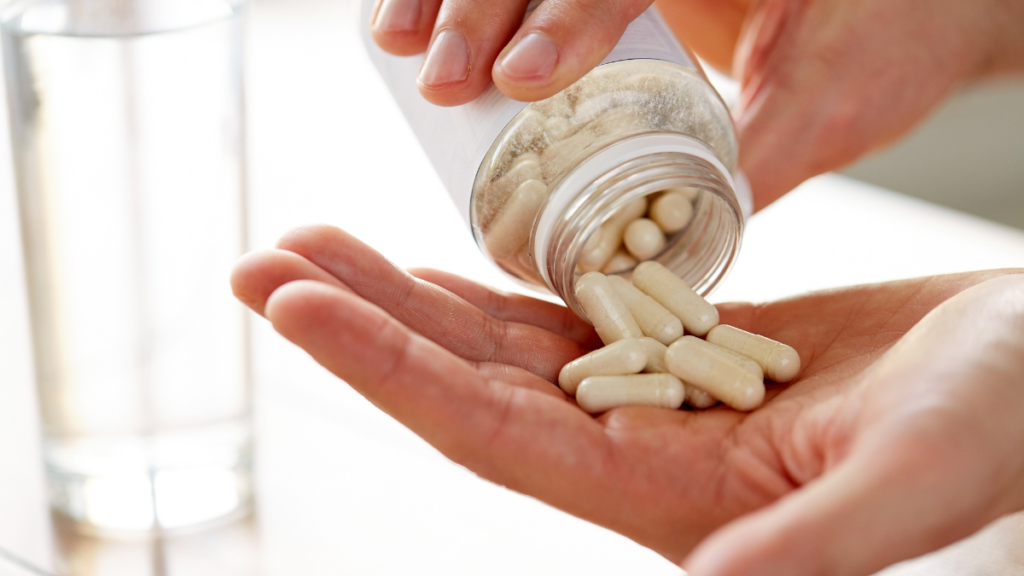
Probiotics for Eczema in Children vs. Adults — What’s Different?
While the main things stay the same, there are some things that change regarding taking probiotics for atopic dermatitis and eczema in general, depending on whether you are taking antibiotics for yourself or your kids, because probiotics don’t work the same way for a 6-month-old as they do for a 35-year-old. Practically everything changes to some extent over time, like the immune system, gut microbiome, and skin barrier.
For Children & Infants:
For infants already showing early eczema symptoms, consistent probiotic use for at least 6 months tends to produce the most meaningful reduction in flare-ups. Short courses of 4–6 weeks are generally not enough to shift the microbiome in a lasting way.
I would suggest you use Lactobacillus rhamnosus GG, which is the most researched strain specifically for infant and toddler eczema. It’s been used safely in studies starting from as early as 3 months of age, and is known for being tolerable for young children.
For Adults:
In my opinion and experience, adult eczema is often more complicated and harder to deal with than child eczema. This is because there are years of gut and skin trauma and damage that have already been done. This means that there is more damage done, but don’t worry, that doesn’t mean that those problems can’t be reversed and fixed with enough care.
I am a perfect example that shows that no matter how far you go and how severe your eczema is and how damaged your gut is, you still can heal, as I did. I have been through everything from years of junk food, antibiotics, alcohol, and steroid abuse to experimental drugs like Dupixent, which made me be in a hospital for over a month.
Stress is also a big one that we adults go through, and it is an overlooked factor that can ruin your gut and lead to more stretching, which, of course, leads to worse eczema flare-ups. Stress tells your body that something is wrong, and your body goes into a state of shock, which leads to inflammation. This makes it even worse if you have chronic stress, which puts your body into this mode all the time.
Probiotic-Rich Foods That Will Help Your Skin
One way to make sure that you maximize all of the probiotics’ benefits for skin is to eat probiotic-rich foods. Just remember that foods that act as probiotics are a great addition to supplementation, but they shouldn’t replace supplementation. If you want the best and fastest results, you should definitely consider supplementation.
The best probiotic-rich foods that can help your skin are:
- Yougurt
- Kefir
- Kimchi and sauerkraut
- Kombucha
Yogurt is a fermented dairy product made by adding live bacterial cultures to milk. Feeds your gut bacteria and lowers inflammation.
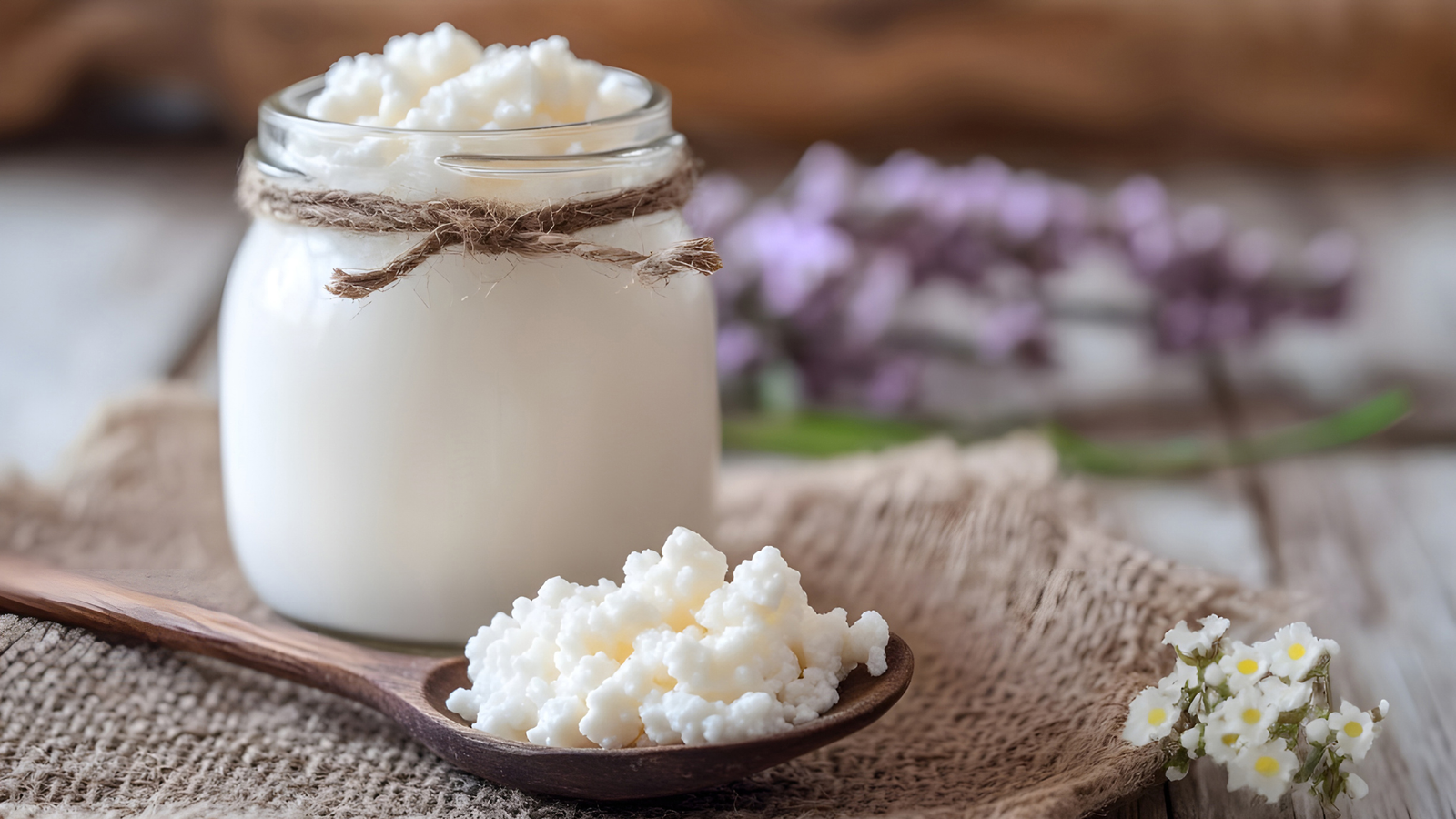
Kefir is a tangy, drinkable fermented milk that contains a far wider variety of bacteria than regular yogurt, which makes it far better than yogurt in that regard. Its diversity is what makes it particularly powerful for microbiome support.
Kimchi is a spicy Korean fermented cabbage dish loaded with Lactobacillus bacteria. Beyond its probiotic content, kimchi also contains natural anti-inflammatory compounds from its ingredients. This is amazing for anybody dealing with inflammatory conditions like atopic dermatitis, which is basically the inflammation of the skin.
Saurekraut is a shredded fermented cabbage. Saurekraut has a very long history in Europe, and it was used for a long time to calm inflammation. Studies have also discovered that it strengthens the gut barrier.
Kombucha is a fermented tea that acts as a probiotic. I generally have a high opinion of tea when it comes to lowering inflammation and eczema flare-ups.

Product Spotlight — Dr. Berg Probiotics with Prebiotic Blend
It is probably confusing to choose the right supplement, especially in such an important topic like probiotics. Here is what I consider the best probiotic supplement on the market today, and the supplement that I use currently and that I used through my whole process of healing from having severe eczema through being eczema-free.
Each capsule offers 60 billion CFU from 10 different probiotic strains, a dose that sits well above the 10 billion CFU minimum threshold that most clinical trials see as a bare minimum. The strains include several that have been directly studied in eczema and atopic dermatitis research and studies. Some of these are Bifidobacterium breve, Lactobacillus plantarum, Bifidobacterium lactis, Lactobacillus salivarius, Bifidobacterium longum, and Lactobacillus acidophilus.
Rather than risking your recovery by putting only one strain in it, this formula takes multiple different strains. I think this is great because of the possibility that you don’t need that strain that is in your supplement, or you need a couple of different ones for optimal recovery.
Dr.Berg, by putting 10 different strains, has prevented the chances of this happening, which makes it one of the best or even the best probiotics for eczema on the market.
This prebiotic supplement was also mixed with a prebiotic blend to maximize bioavailability and ensure that probiotics reach the gut.
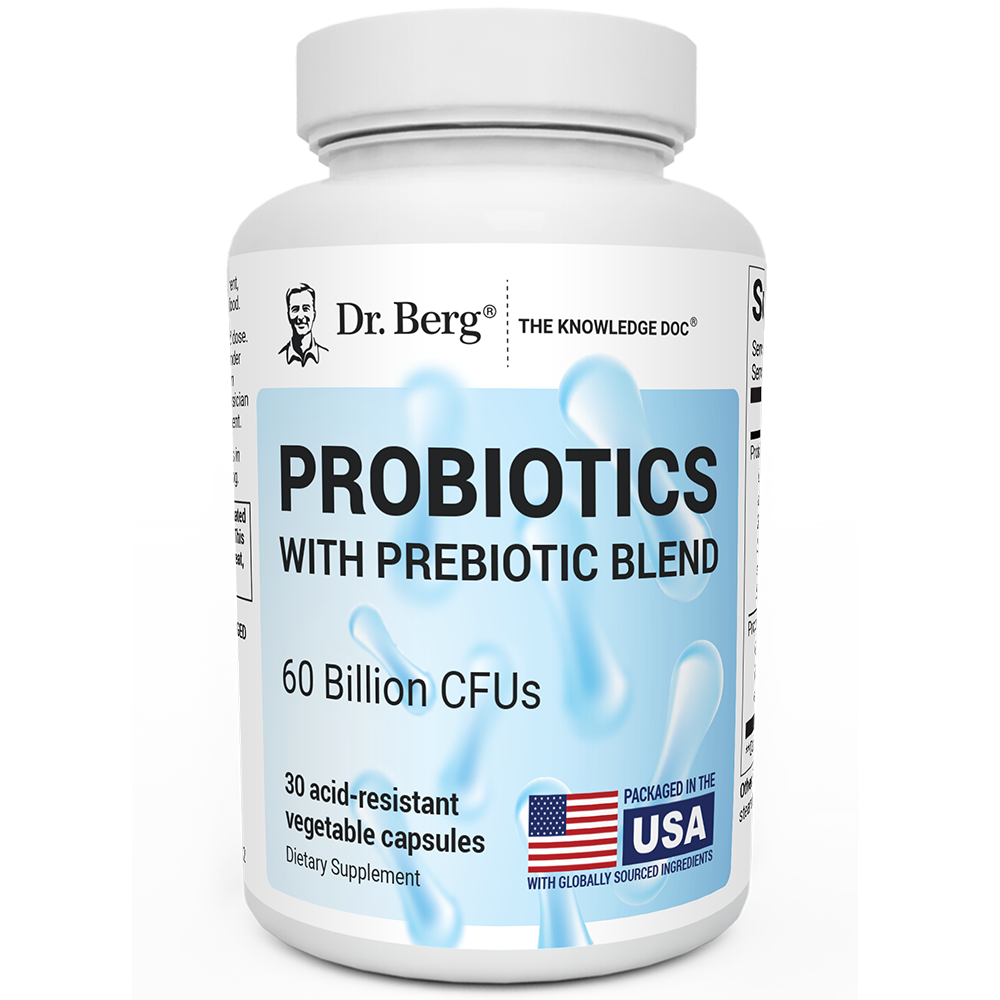
Dr. Berg Probiotics
A Very High Dose Of 60 Billion CFUs Per Serving
Third Party Tested For Quality and Safety
Mix Of 10 Different Probiotics To Maximize The Positive Effects
Conclusion
Healing eczema is not a one-thing fix, but the evidence for probiotics is undeniable, and after you realise how leaky gut causes eczema, you will not be surprised. Leaky gut is created by unhealthy habits like junk food, alcohol, drugs, and antibiotics, and it is a hole in your gut. When you eat, small parts of your food get in that leaky part of the gut, which your body sees as a terrible thing and a stresser which activates inflammation; then that inflammation goes on your skin, which is eczema and atopic dermatitis.
You need probiotics to restore your positive bacteria in your gut; without them, your gut will not work properly, which means that your skin can never heal. No matter how many skin products you buy and take, if you don’t heal your gut, your skin can never be healthy and beautiful.